
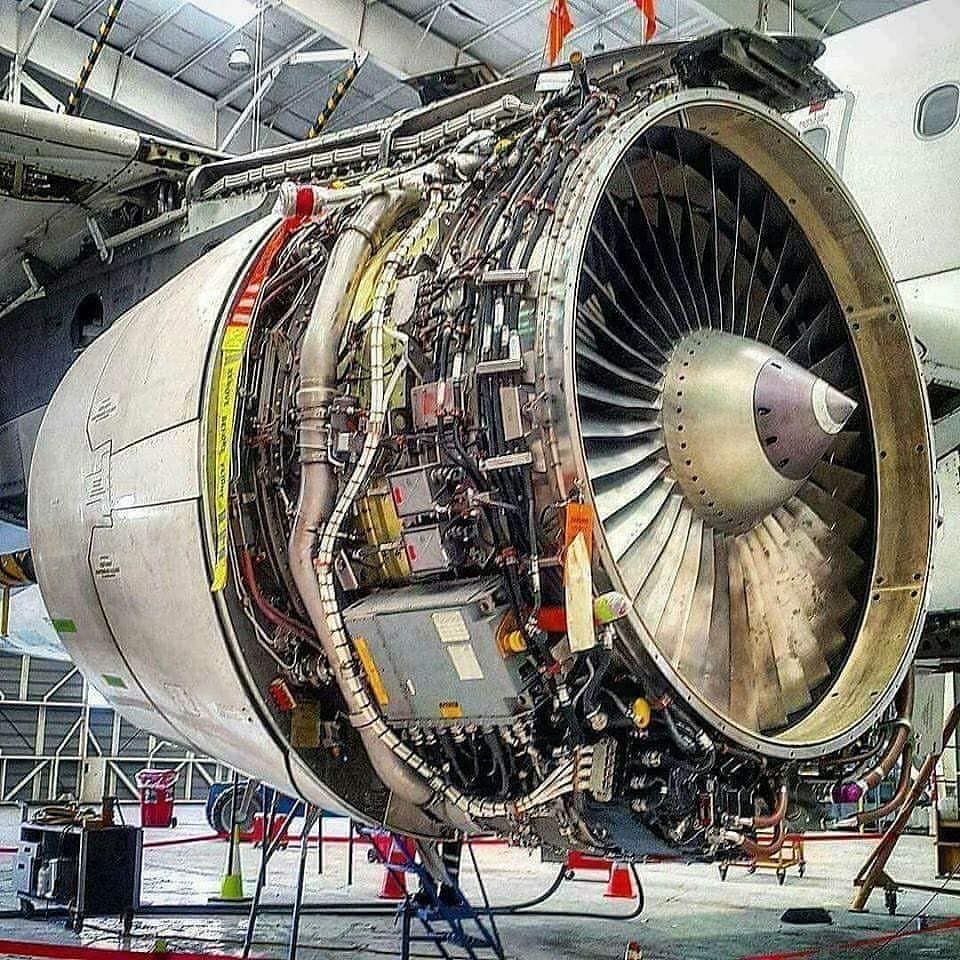
Jet Engine Parts: An In-Depth Guide to Components and Functionality
Jet engines are marvels of modern engineering, powering everything from commercial airliners to military fighter jets. Understanding the parts of a jet engine is essential for aviation enthusiasts, engineers, and students studying aerospace technology. This guide delves into the critical jet engine parts, their functions, and how they work together to generate thrust.
What is a Jet Engine?
A jet engine is a type of reaction engine that produces thrust by expelling a high-speed jet of air and combustion gases. Unlike propeller-driven engines, jet engines rely on the principles of Newton’s third law of motion: for every action, there is an equal and opposite reaction. The primary purpose of a jet engine is to generate forward thrust to propel an aircraft through the air.
Jet engines are complex machines composed of numerous parts, each playing a crucial role in ensuring efficiency, safety, and performance. While there are several types of jet engines—turbojets, turbofans, turboprops, and ramjets—the basic components remain largely consistent across designs.
Main Jet Engine Parts and Their Functions
1. Air Intake
The air intake, also known as the inlet, is the first point of contact for air entering the jet engine. Its main function is to capture and direct airflow smoothly into the engine while minimizing turbulence. Properly designed air intakes improve engine efficiency and performance. In supersonic aircraft, the air intake also helps slow down high-speed airflow before it enters the compressor.
Key Features of the Air Intake:
- Smooth airflow direction
- Pressure stabilization
- Protection against foreign object damage (FOD)
2. Compressor
The compressor is one of the most critical components of a jet engine. It increases the pressure of the incoming air, making it dense enough to mix efficiently with fuel for combustion. Compressors can be axial, centrifugal, or a combination of both.
- Axial Compressors: Use multiple stages of rotating and stationary blades to gradually compress air along the axis of the engine.
- Centrifugal Compressors: Utilize a spinning impeller to fling air outward, increasing pressure as it moves through the engine.
Function of the Compressor:
- Increases air pressure before combustion
- Enhances fuel efficiency
- Supports high-thrust output
3. Combustion Chamber
The combustion chamber, also called the burner, is where the compressed air mixes with fuel and ignites. This process dramatically increases the temperature and energy of the airflow, turning it into high-speed, high-pressure exhaust gases.
Components of the Combustion Chamber:
- Fuel Injectors: Spray fuel into the compressed air for optimal mixing.
- Igniters: Spark the fuel-air mixture to initiate combustion.
- Liners: Contain the high-temperature combustion process safely.
The efficiency of the combustion chamber directly impacts engine performance and fuel consumption. Advanced designs aim to maximize energy output while minimizing pollutants.
4. Turbine
The turbine is connected to the compressor via a shaft. As high-energy exhaust gases pass through the turbine, they spin its blades, which in turn drive the compressor. Essentially, the turbine extracts energy from the hot gases to keep the engine functioning.
Types of Turbine Stages:
- High-Pressure Turbine (HPT): Directly drives the high-pressure compressor.
- Low-Pressure Turbine (LPT): Drives the fan and low-pressure compressor in turbofan engines.
Turbines must withstand extreme temperatures and stresses, making materials and cooling technology critical components of modern jet engines.
5. Nozzle
The nozzle is the exit point for exhaust gases. It converts the high-pressure, high-temperature gases into a high-velocity jet, producing thrust according to Newton’s third law. There are different types of nozzles depending on the engine design:
- Convergent Nozzles: Narrow to accelerate subsonic flows.
- Convergent-Divergent Nozzles: Expand after converging to accelerate supersonic flows, used in military and space engines.
Nozzles also influence engine noise, fuel efficiency, and overall thrust output.
6. Afterburner (Optional)
In some military jet engines, an afterburner is installed behind the turbine to inject additional fuel directly into the exhaust stream. This produces a significant increase in thrust, allowing aircraft to achieve supersonic speeds.
Key Points About Afterburners:
- Dramatically increases thrust for short durations
- Highly fuel-intensive
- Common in fighter jets
7. Fan (in Turbofan Engines)
Turbofan engines, the most common type in commercial aviation, include a large fan at the front. This fan pushes a significant portion of air around the engine core, producing additional thrust and improving fuel efficiency.
Fan Advantages:
- Quieter operation compared to turbojets
- Higher thrust at lower fuel consumption
- Efficient for subsonic commercial flights
8. Shaft and Bearings
The shaft connects the turbine to the compressor, transmitting mechanical energy. Bearings support the rotating shaft, ensuring smooth and stable operation under extreme rotational speeds and temperatures. Proper lubrication and cooling of bearings are vital for engine longevity and safety.
9. Accessory Gearbox
The accessory gearbox is a collection of auxiliary components driven by the engine shaft. It powers systems such as fuel pumps, hydraulic pumps, electrical generators, and oil pumps, which are essential for the overall operation of the aircraft.
10. Ignition System
The ignition system starts the engine by sparking the fuel-air mixture in the combustion chamber. Once the engine reaches stable operation, the ignition system is typically turned off, except during afterburner operation or engine relights.
Materials Used in Jet Engine Parts
Jet engines operate under extreme conditions, requiring specialized materials:
- Titanium: Lightweight, strong, and corrosion-resistant; often used in fan blades and compressors.
- Nickel Alloys (Superalloys): High-temperature resistant, used in turbines.
- Ceramic Matrix Composites: Withstand extreme heat and reduce overall engine weight.
- Aluminum: Lightweight, used in some structural components where temperature exposure is moderate.
Common Jet Engine Part Failures and Maintenance
Jet engines undergo intense stress, making maintenance and inspections crucial. Common issues include:
- Compressor blade fatigue or cracking
- Turbine blade overheating
- Fuel injector clogging
- Bearing wear
Routine inspections, timely replacements, and advanced monitoring systems help prevent catastrophic failures and maintain engine performance.
Advances in Jet Engine Technology
Modern jet engines continuously evolve to improve efficiency, reduce emissions, and enhance reliability. Some innovations in jet engine parts include:
- Blended Winglets in Fan Blades: Reduce drag and improve thrust efficiency.
- Advanced Cooling Techniques: Enhance turbine lifespan.
- 3D-Printed Components: Allow complex designs and reduce manufacturing costs.
- Variable Geometry Nozzles: Optimize performance across speed ranges.
Conclusion
Understanding jet engine parts provides valuable insight into one of humanity’s greatest technological achievements. From the air intake to the turbine and nozzle, every component has a specialized role that contributes to generating thrust efficiently and safely. Modern materials, design innovations, and rigorous maintenance ensure these engines operate reliably in demanding conditions, whether ferrying passengers across continents or powering supersonic fighter jets.