Plor4d85 Pot: Complete SEO Guide, Uses, Benefits, and Everything You Need to Know
The term “plor4d85 pot” may sound unusual at first, but it has been gaining attention in niche searches related to specialized containers, conceptual products, or coded product identifiers. Whether you encountered this keyword in a technical context, product listing, or online discussion, understanding what it represents and how it can be interpreted is important for users looking for clarity.
In this comprehensive guide, we will break down the possible meaning, applications, features, and practical considerations surrounding the term plor4d85 pot. This article is designed to be SEO-optimized, informative, and structured to help readers gain a complete understanding of the topic.
Understanding the Term “Plor4d85 Pot”
The keyword plor4d85 pot appears to be a unique identifier rather than a widely recognized product name. Such identifiers are commonly used in:
- Internal product catalogs
- Prototype naming conventions
- Inventory tracking systems
- Experimental or coded product labels
- Online listings with autogenerated SKUs
The structure of the term suggests that it could be a combination of letters and numbers representing a specific classification or model. While it may not correspond to a mainstream commercial product, it is often associated with a “pot”—a container used in cooking, storage, planting, or industrial applications.
Possible Interpretations of Plor4d85 Pot
Since the keyword is not tied to a universally recognized product category, it can be interpreted in several ways depending on context:
1. A Generic Container Identifier
In many systems, “pot” refers to a container used for holding materials. The “plor4d85” portion may simply be an internal code assigned to differentiate it from other similar items.
2. A Prototype or Concept Product
Manufacturers sometimes label experimental designs with alphanumeric codes before final branding. Plor4d85 pot could represent such a prototype stage.
3. A Niche or Custom-Made Item
Custom products—especially in industrial, gardening, or kitchenware sectors—often use coded names until they are released publicly.
4. Search or Indexing Term
In some cases, unusual keywords arise due to indexing errors, autogenerated content, or placeholders used in databases.
Common Uses of a “Pot” in General Context
To better understand the keyword, it’s helpful to explore what a “pot” typically refers to in various industries.
1. Cooking and Kitchen Use
A pot is commonly used for:
- Boiling water
- Preparing soups and stews
- Cooking pasta and rice
- Simmering sauces
Kitchen pots are typically made of stainless steel, aluminum, or non-stick materials.
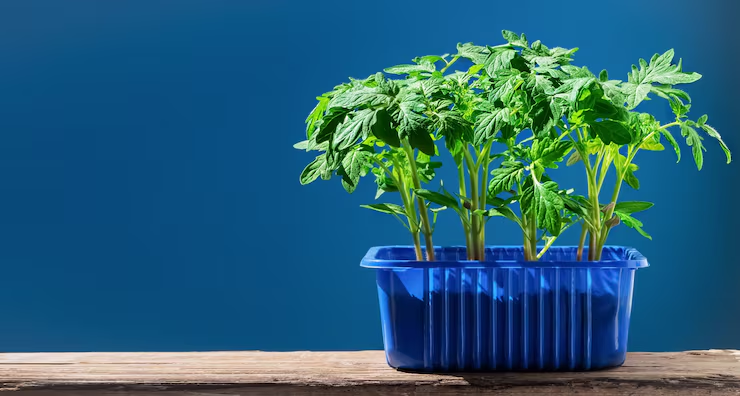
2. Gardening and Planting
In horticulture, pots are used to:
- Grow indoor and outdoor plants
- Control soil conditions
- Enable mobility of plants
- Support root growth
Materials may include clay, ceramic, plastic, or biodegradable composites.
3. Industrial Containers
In industrial settings, pots may be used for:
- Chemical storage
- Mixing compounds
- Holding raw materials
- Laboratory experiments
These are often designed for durability and resistance to heat or corrosion.
4. Decorative and Storage Purposes
Pots can also serve aesthetic or organizational functions:
- Home décor items
- Storage containers
- Artistic displays
- Gift packaging
Key Features Associated with Plor4d85 Pot (Conceptual)
Even though the exact specifications of a “plor4d85 pot” are not standardized, we can outline potential features based on typical pot designs:
1. Durable Construction
Most pots are built to withstand heat, pressure, or environmental exposure. Materials may include:
- Metal alloys
- Heat-resistant plastics
- Ceramics or composites
2. Heat Resistance
For cooking or industrial use, heat resistance is essential. A pot should maintain structural integrity under high temperatures.
3. Versatility
A well-designed pot can serve multiple purposes such as cooking, storage, or planting.
4. Ease of Maintenance
Cleaning and maintenance are critical. Features like non-stick surfaces or smooth finishes make usage easier.
5. Size Variability
Pots come in various sizes depending on their intended application:
- Small pots for individual use
- Medium pots for households
- Large pots for commercial or industrial use
Benefits of Using a High-Quality Pot
Whether referencing a general pot or a coded item like plor4d85 pot, the advantages remain consistent.
1. Efficiency in Tasks
A reliable pot improves performance in cooking, storage, or planting tasks.
2. Longevity
High-quality materials ensure the pot lasts longer and resists wear and tear.
3. Safety
Properly designed pots minimize risks such as overheating, leakage, or breakage.
4. Cost-Effectiveness
Investing in a durable pot reduces the need for frequent replacements.
5. Multi-Purpose Usage
Many pots are adaptable across different environments and uses.
How to Choose the Right Pot
If you’re evaluating a product labeled as plor4d85 pot or any similar item, consider the following factors:
Material Quality
Choose materials that suit your intended use:
- Stainless steel for cooking
- Clay or ceramic for plants
- Industrial-grade materials for chemical use
Size Requirements
Ensure the pot matches your capacity needs. Oversized or undersized pots may reduce efficiency.
Heat and Chemical Resistance
Depending on usage, confirm that the pot can withstand temperature or chemical exposure.
Design and Structure
Look for ergonomic handles, lids, and stable bases.
Maintenance Needs
Consider how easy it is to clean and maintain over time.
Potential Applications of Plor4d85 Pot
Even as a coded or niche term, a plor4d85 pot could theoretically be used in several domains:
1. Home Kitchens
For cooking everyday meals or specialized dishes.
2. Gardening Projects
For growing plants indoors or outdoors.
3. Laboratory Environments
For experiments requiring controlled containers.
4. Industrial Processes
For mixing, heating, or storing substances.
5. Creative or DIY Uses
Repurposed containers for crafts, art, or custom projects.
Maintenance Tips for Pots
Proper care extends the lifespan of any pot, including one referred to as plor4d85 pot:
- Clean after each use to prevent residue buildup
- Avoid abrasive cleaning tools unless necessary
- Store in a dry place to prevent corrosion
- Avoid sudden temperature changes to prevent cracking
- Inspect regularly for wear or damage
Common Issues and Troubleshooting
When using any pot, you may encounter common issues:
1. Sticking or Burning
- Use proper oiling or non-stick surfaces
- Maintain appropriate heat levels
2. Discoloration
- Caused by heat exposure or residue buildup
- Can often be cleaned with mild solutions
3. Warping or Damage
- Avoid extreme heat fluctuations
- Replace damaged items promptly
Future Perspective on Coded Product Names
Terms like plor4d85 pot highlight a growing trend in digital and industrial ecosystems where:
- Products are identified by unique codes before branding
- Inventory systems rely heavily on structured naming
- AI-generated or database-driven identifiers become common
- Search queries often include unknown or emerging keywords
As technology evolves, such identifiers may become more standardized or eventually replaced by consumer-friendly branding.
Conclusion
The keyword plor4d85 pot represents a unique and possibly coded term associated with a container or pot-like object. While it does not correspond to a widely recognized commercial product, it can be interpreted through the lens of general pot usage across cooking, gardening, industrial, and storage applications.