Ideas for a Retaining Wall: Transform Your Outdoor Space
Creating a functional and visually appealing outdoor space often requires careful planning, and one essential element that can transform your yard is a retaining wall. Whether you are dealing with a sloped garden, preventing soil erosion, or simply adding structure to your landscape, a retaining wall is both practical and decorative. In this article, we explore various ideas for a retaining wall that can elevate the look and functionality of your outdoor space while providing long-term benefits.
Why Consider a Retaining Wall?
Before diving into specific ideas, it’s important to understand why a retaining wall might be necessary for your property:
- Prevent Soil Erosion: Retaining walls help control soil movement, especially on sloped terrain. This is essential to protect your landscaping and prevent damage to your property.
- Maximize Usable Space: Terracing a sloped yard with retaining walls creates flat areas perfect for gardening, seating, or recreation.
- Enhance Aesthetics: A well-designed retaining wall can act as a visual focal point, complementing your outdoor decor.
- Increase Property Value: Adding functional and stylish landscape features such as retaining walls can enhance your property’s market appeal.
Now, let’s explore some innovative ideas for a retaining wall that combine style, function, and durability.
1. Natural Stone Retaining Walls
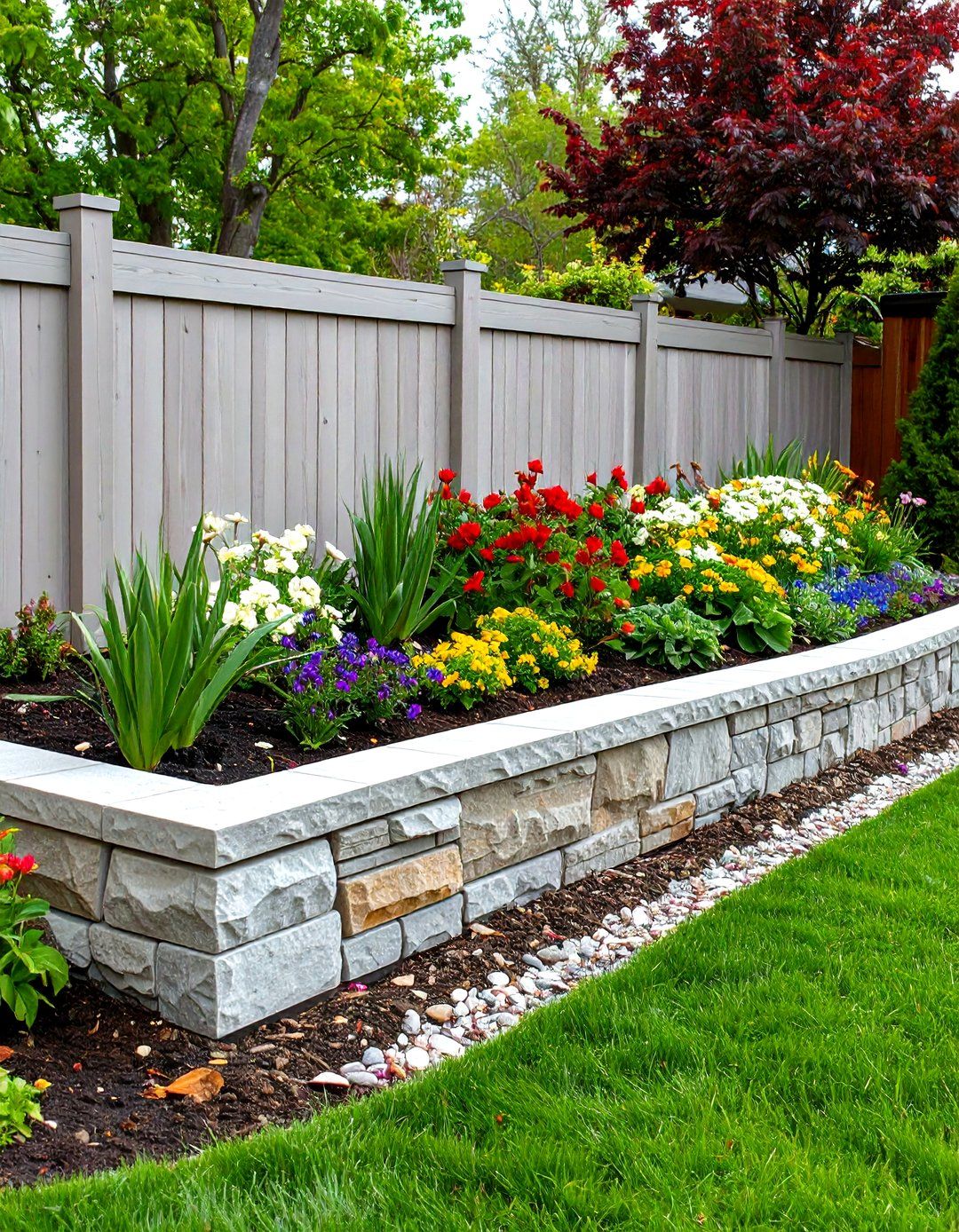
One of the most timeless and versatile options is a natural stone retaining wall. Stones provide a classic, rustic look that blends seamlessly with outdoor landscapes.
- Advantages: Durability, aesthetic appeal, low maintenance.
- Best For: Sloped gardens, rustic or traditional landscapes, rock gardens.
- Design Tips: Use a variety of stone sizes for a natural appearance. Stack stones with care to avoid gaps, and consider adding creeping plants to soften the edges.
Natural stone walls work exceptionally well in gardens with lush greenery, providing a strong contrast to vibrant plants and flowers.
2. Concrete Retaining Walls
For a modern and sleek look, concrete retaining walls are highly versatile. They can be poured in place or built using pre-cast blocks.
- Advantages: Strength, longevity, customizable design, and cost-effectiveness.
- Best For: Modern landscapes, urban gardens, heavy soil retention.
- Design Tips: Consider textured or colored concrete to add visual interest. You can also incorporate geometric patterns or integrate built-in seating for a multifunctional wall.
Concrete walls are ideal for homeowners who prefer minimal maintenance while maintaining a contemporary outdoor aesthetic.
3. Timber Retaining Walls
Timber retaining walls are a popular choice for those seeking a warm, natural look. Using treated wood, these walls can be an affordable option that fits well with various garden styles.
- Advantages: Natural aesthetic, easy to install, budget-friendly.
- Best For: Casual gardens, small slopes, temporary retaining solutions.
- Design Tips: Choose rot-resistant wood like cedar or treated pine. Incorporate horizontal planks for a modern feel or stacked timbers for a traditional appearance. Add lighting to enhance the ambiance.
Timber walls can be complemented with planters or climbing plants to create a soft, organic feel.
4. Gabion Retaining Walls
For a contemporary and industrial look, gabion walls are a unique and durable option. Gabions are wire cages filled with stones, rocks, or other materials.
- Advantages: Strong, eco-friendly, customizable, excellent drainage.
- Best For: Urban landscapes, hillside gardens, erosion-prone areas.
- Design Tips: Mix different sizes and colors of stones for visual interest. Gabions can also serve as privacy screens or even outdoor seating areas.
Gabion walls are perfect for adding a modern edge while maintaining functional benefits like soil retention and water drainage.
5. Brick Retaining Walls
Brick retaining walls provide a classic, timeless look that suits traditional gardens or homes with brick accents.
- Advantages: Aesthetic appeal, durability, versatile design options.
- Best For: Traditional gardens, backyard patios, flower beds.
- Design Tips: Use patterned brickwork to add texture. Consider combining bricks with stone caps or planters to enhance the design.
Bricks allow for creative layouts, from straight-edged walls to gently curving designs that follow the natural contour of your yard.
6. Modular Block Retaining Walls
Modular block walls are engineered for easy installation and come in a variety of shapes and sizes. They can be stacked in different configurations to create unique designs.
- Advantages: Easy installation, versatile design, cost-effective, durable.
- Best For: DIY projects, gardens with varying slope heights, budget-conscious homeowners.
- Design Tips: Incorporate curves, steps, or multi-level designs for added interest. Consider planting greenery between the blocks for a natural effect.
Modular blocks are ideal for those looking for flexibility in design without sacrificing structural integrity.
7. Living Retaining Walls
A living retaining wall combines structure with greenery, creating a vertical garden that retains soil while adding natural beauty.
- Advantages: Eco-friendly, visually stunning, improves air quality, softens hardscapes.
- Best For: Small yards, urban spaces, environmentally conscious landscaping.
- Design Tips: Use hardy plants that thrive in vertical setups. Incorporate irrigation systems for easier maintenance, and mix textures and colors for a lush appearance.
Living walls are perfect for gardeners who want a combination of functionality and a striking visual impact.
8. Curved Retaining Walls
Instead of straight lines, consider curved retaining walls that add flow and dimension to your garden.
- Advantages: Softens landscape lines, visually appealing, allows creative plant integration.
- Best For: Residential gardens, parks, decorative landscaping.
- Design Tips: Combine materials like stone, brick, or concrete for layered visual effects. Curves work well with flower beds or patio areas, creating a natural, harmonious look.
Curved walls make your garden feel more organic and inviting, guiding the eye along natural pathways.
Tips for Designing a Retaining Wall
When planning your retaining wall, keep these tips in mind:
- Understand the Slope and Soil: Knowing the type of soil and slope is crucial for stability. Clay-heavy soils may need extra reinforcement.
- Consider Drainage: Proper drainage prevents water buildup behind the wall, reducing pressure and potential damage. Incorporate gravel backfill or drainage pipes.
- Choose the Right Material: Consider your landscape style, budget, and maintenance preferences when selecting materials.
- Height Matters: Taller walls require engineering or tiered designs for safety and stability.
- Add Plants and Accessories: Integrate greenery, lighting, or seating to enhance the wall’s aesthetic and functionality.
Conclusion
A retaining wall is much more than a functional element—it’s an opportunity to showcase creativity and enhance your outdoor space. From natural stone and timber to modular blocks and living walls, there are countless ideas for a retaining wall that can suit any garden style and budget.