
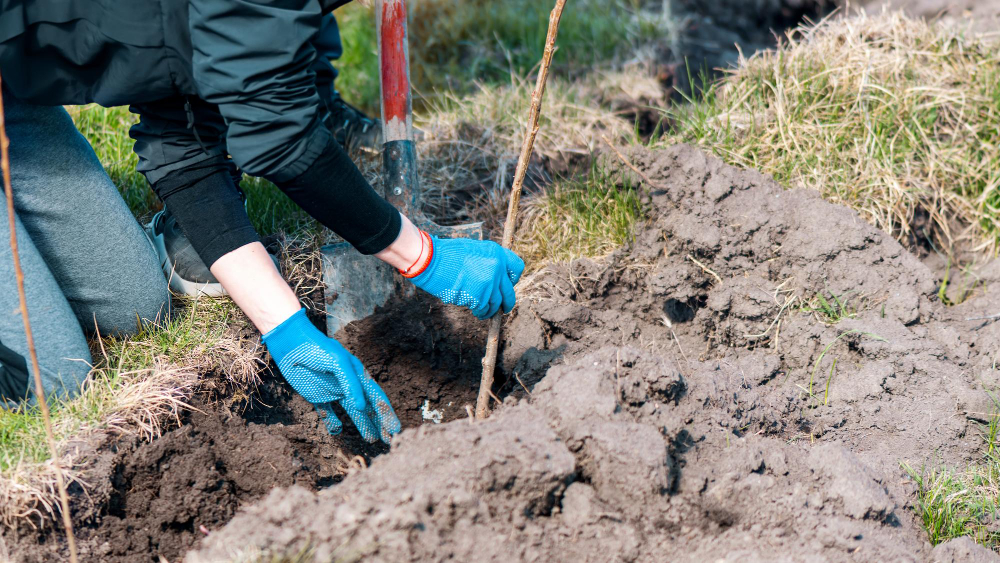
Trench Digging: Everything You Need to Know for Safe and Efficient Excavation
Trench digging is a fundamental task in construction, landscaping, and utility installation. Whether you’re installing pipes, cables, or drainage systems, understanding the essentials of trench excavation can save you time, money, and potential hazards. In this comprehensive guide, we will cover everything from techniques and tools to safety precautions, soil considerations, and modern innovations in trench digging.
What is Trench Digging?
Trench digging, also referred to as trenching, is the process of creating a narrow excavation in the ground. These excavations are typically deeper than they are wide and serve multiple purposes, including:
- Installing utility lines such as water, gas, electricity, or fiber optic cables
- Laying foundations or footings for structures
- Constructing drainage systems to prevent water accumulation
- Preparing irrigation systems for agricultural purposes
Unlike general excavation, trench digging requires precision, careful planning, and strict adherence to safety standards, as trenches are prone to collapses if not properly supported.
Types of Trenches
Trench digging is not a one-size-fits-all operation. Depending on your project, you might encounter various types of trenches:
- Utility Trenches – These trenches are designed for installing underground utilities like pipelines and electrical conduits. They are often narrow but deep enough to accommodate pipes safely below the frost line.
- Drainage Trenches – Created to direct water away from buildings or agricultural land, drainage trenches help prevent soil erosion and water damage.
- Foundation Trenches – Used in construction, foundation trenches provide a base for footings, walls, or other structures. These trenches require precise measurements and often concrete reinforcement.
- Irrigation Trenches – Essential in farming and gardening, irrigation trenches ensure proper water distribution to crops and plants.
Each type of trench has specific requirements regarding width, depth, slope, and soil stabilization techniques.
Essential Tools for Trench Digging
Trench digging can be done manually or using machinery, depending on the scale of the project. The right tools can make a significant difference in efficiency and safety.
Manual Tools
- Shovels – A standard tool for small-scale trenching. Flat shovels are ideal for precise digging, while trenching shovels have a pointed tip to penetrate tough soil.
- Spades – Excellent for cutting through hard soil or clay.
- Pickaxes – Useful for breaking rocky or compacted ground.
- Mattocks – A combination of pick and adze, helpful for breaking soil and digging simultaneously.
Mechanical Tools
- Mini Excavators – Ideal for medium to large-scale trenching, mini excavators can dig trenches quickly and accurately.
- Trenchers – Specialized machines designed specifically for trench digging. They come in ride-on and walk-behind models and can handle soil, rock, and roots efficiently.
- Backhoes – Versatile machines capable of digging wide and deep trenches for construction purposes.
Choosing between manual and mechanical tools depends on project size, soil type, and budget. For small gardening or utility projects, hand tools suffice. For large-scale construction or utility installation, machines are indispensable.
Steps for Efficient Trench Digging
Proper planning and execution are key to successful trench digging. Here’s a step-by-step guide:
1. Plan and Measure
Before starting, determine the trench’s purpose, dimensions, and location. Measure the length, width, and depth carefully, considering any local regulations for underground utilities.
2. Mark the Trench
Use stakes, spray paint, or string lines to outline the trench path. Clear the area of obstacles, debris, or vegetation.
3. Excavate Carefully
- Manual Digging: Start by loosening soil at the top, then remove it layer by layer. Ensure the trench walls remain vertical and straight.
- Mechanical Digging: Operate machines at a steady pace, monitoring depth and slope. Use a guide to maintain consistent trench dimensions.
4. Ensure Proper Slope and Support
For deep trenches, slope or bench the walls to prevent collapse. In unstable soil, install trench boxes or shoring to protect workers.
5. Inspect and Adjust
Periodically check the trench dimensions, slope, and integrity. Make adjustments as needed to maintain safety and accuracy.
6. Backfill and Restore
After completing the installation of pipes, cables, or foundations, refill the trench with the excavated soil. Compact the soil in layers to prevent settling and erosion.
Soil Considerations in Trench Digging
Soil type plays a critical role in trench stability and ease of excavation. Different soils require different approaches:
- Sandy Soil: Drains well but can collapse easily. Requires sloping or trench boxes for safety.
- Clay Soil: Hard and compact, making digging slower. Offers more stable walls but may retain water, increasing the risk of trench wall failure.
- Rocky Soil: Difficult to dig manually; mechanical equipment is recommended.
- Loamy Soil: Ideal for trenching—easy to dig and holds shape well.
Understanding soil conditions helps choose the right tools, support methods, and safety precautions.
Safety Measures in Trench Digging
Trench digging can be hazardous, especially for deep or long trenches. The most common risk is trench collapse, which can trap workers. Follow these safety guidelines:
- Trench Shoring: Use trench boxes, hydraulic shoring, or timber supports to reinforce walls.
- Sloping and Benching: Angle trench walls or create step-like benches to reduce collapse risk.
- Access Points: Provide ladders or ramps for safe entry and exit in trenches deeper than 4 feet.
- Monitor Weather Conditions: Heavy rain can weaken trench walls and increase collapse risk.
- Avoid Heavy Loads Near Edges: Keep equipment and materials away from trench edges to prevent wall collapse.
- Regular Inspections: Inspect trenches daily and after any weather event.
Adhering to these safety measures is crucial to protect workers and comply with occupational safety regulations.
Modern Innovations in Trench Digging
Technological advancements have transformed trench digging, making it faster, safer, and more precise:
- Laser-Guided Excavators: Ensure consistent trench depth and slope with minimal human error.
- Remote-Controlled Trenchers: Reduce risk by allowing operators to control machines from a safe distance.
- Trenchless Technology: For installing pipes or cables without open trenches, trenchless methods like horizontal directional drilling reduce surface disruption.
- Soil Stabilization Techniques: Modern chemical stabilizers and geotextiles reinforce trench walls in unstable soil.
These innovations save time, reduce labor costs, and improve safety.
Common Mistakes to Avoid
Even experienced trench diggers can make errors. Avoid these common mistakes:
- Ignoring Soil Type: Misjudging soil stability can lead to trench collapse.
- Poor Planning: Not measuring or marking the trench accurately wastes time and resources.
- Skipping Safety Protocols: Not using trench boxes, shoring, or ladders increases accident risk.
- Overloading Trench Edges: Placing heavy equipment or piles of soil near the trench edge can cause wall collapse.
- Rushing the Project: Hasty digging can result in uneven trenches and safety hazards.
Being aware of these mistakes helps ensure a smooth and safe trench digging process.
Conclusion
Trench digging is an essential skill in construction, landscaping, and utility installation. With proper planning, the right tools, understanding of soil types, and strict safety measures, trench excavation can be efficient, safe, and cost-effective. Modern machinery and innovations like trenchless technology have further improved accuracy and reduced risk, making trench digging more accessible than ever.